
Introduction
Fashion is a wonderful way to express your personality, creativity, and individual style. However, constantly buying new clothes can put pressure on your budget and contribute to textile waste. Sustainable fashion offers a more thoughtful approach to shopping by encouraging people to choose useful clothing, care for what they already own, reuse existing garments, and avoid unnecessary purchases. The good news is that building a more eco-conscious wardrobe does not require expensive designer brands or a complete change in your lifestyle.
An eco-friendly wardrobe is not simply a collection of clothes made from organic cotton or recycled materials. It is also about making better decisions before, during, and after shopping. Buying fewer unnecessary items, choosing garments that last, repairing damaged clothing, exploring secondhand options, and wearing outfits in multiple ways can all help make your fashion habits more sustainable. These practical changes can also save money over time.
In this guide, you will learn how to build a sustainable wardrobe on a budget, identify useful clothing materials, find affordable secondhand fashion, care for garments properly, and make smarter shopping decisions. Whether you prefer casual outfits, office clothing, traditional wear, or modern fashion trends, you can make your wardrobe more sustainable without giving up your personal style.
What Is Sustainable Fashion?
Sustainable fashion is an approach to clothing that considers the environmental and social effects of how garments are designed, produced, purchased, used, and eventually disposed of. It encourages people and businesses to reduce unnecessary waste, extend the life of clothing, consider material choices, and support more responsible production practices.
Traditional shopping habits can encourage people to buy new outfits frequently, even when they already have clothes that meet their needs. This can leave garments unworn in closets and create demand for additional production. A more sustainable approach focuses on making better use of the clothing that already exists and buying new items more thoughtfully.
The Ellen MacArthur Foundation describes a circular fashion system in which clothing is used more, designed to be made again, and produced with safer, recycled, or renewable inputs. Its approach also emphasizes reuse, repair, and keeping clothing and materials in circulation for longer. Learn more about circular fashion from the Ellen MacArthur Foundation.
For individual shoppers, sustainable fashion can begin with simple habits. You can repeat outfits, buy secondhand clothing, repair loose buttons, donate wearable garments, and avoid purchasing items simply because they are trending. These steps are accessible to people with different budgets and do not require replacing an entire wardrobe.
Start by Shopping Your Own Wardrobe
One of the easiest and least expensive ways to build an eco-friendly wardrobe is to begin with the clothing you already own. Before shopping for new products, review your wardrobe and identify the items you wear regularly, the pieces you have forgotten about, and the garments that could be repaired or styled differently.
You may discover that you already own several useful basics, such as T-shirts, trousers, shirts, dresses, sweaters, or jackets. Sometimes, changing the way you combine these pieces can create outfits that feel fresh without spending anything. For example, a plain shirt can be worn with jeans for a casual look, tucked into tailored trousers for work, or layered over a simple dress.
Organizing your wardrobe can also help you identify unnecessary duplicates. If you own several similar black shirts but rarely wear the others, buying another one is unlikely to add much value. Instead, consider whether a missing item, such as a versatile cardigan or comfortable pair of trousers, would make your existing clothing more useful.
Try creating a list of wardrobe gaps before visiting an online store. This small step can help you avoid impulse purchases and focus on items you genuinely need. It also makes sustainable fashion more affordable because your first improvements come from using what you already own.
Build a Capsule Wardrobe with Versatile Clothing
A capsule wardrobe is a collection of clothing items that coordinate with each other and can be combined to create many different outfits. It focuses on versatility rather than quantity, helping you make more use of fewer garments.
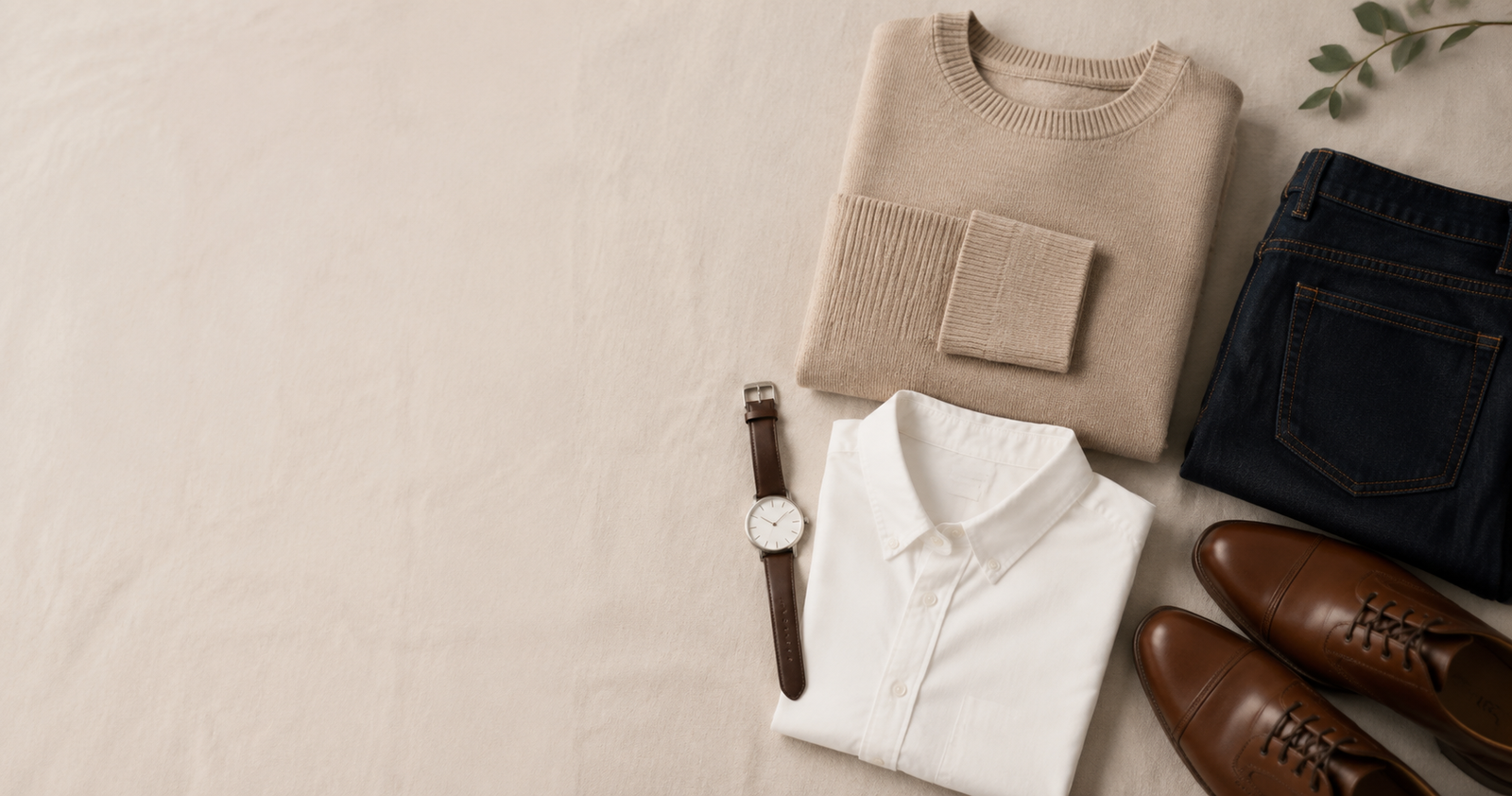
Useful capsule wardrobe essentials may include basic T-shirts, well-fitting jeans, neutral trousers, button-down shirts, a cardigan, a versatile jacket, comfortable shoes, and clothing suitable for work or special occasions. The exact selection depends on your lifestyle, climate, dress preferences, and daily activities.
Choosing compatible colors can make outfit planning easier. Shades such as black, white, navy, gray, beige, and denim blue can work well together, but you do not need to limit yourself to neutral colors. Adding a few favorite shades, prints, or statement pieces can make your wardrobe feel personal and expressive.
For example, one pair of jeans can be worn with a T-shirt and sneakers, a button-down shirt and loafers, or a sweater and boots. A simple dress can be styled with different shoes, jackets, scarves, and accessories. By choosing clothing that works in several combinations, you can reduce the need to purchase separate outfits for every occasion.
A capsule wardrobe should not be treated as a strict rule about how many clothes you are allowed to own. Its real purpose is to help you identify useful garments and reduce unnecessary purchases while keeping your wardrobe practical and enjoyable.
Choose Quality Clothing That Lasts Longer
Buying clothing that lasts can help reduce the need for frequent replacements. However, you do not have to spend a large amount of money to find durable garments. Affordable clothing can provide good value when the materials, stitching, fit, and construction meet your needs.
When examining a garment, check its seams, buttons, zippers, lining, hems, and overall construction. Loose stitching, weak fastenings, or fabric that already looks damaged may indicate that an item requires extra care or could wear out quickly. Product descriptions and customer reviews can provide additional information when shopping online.
Comfort and fit are also important. Clothing that is uncomfortable, difficult to maintain, or unsuitable for your activities may remain unworn even if the construction is good. Choose pieces that fit properly and suit the way you actually live.
Consider how frequently you expect to wear an item. A well-fitting everyday shirt that works with several outfits may be more useful than a distinctive garment that suits only one event. This does not mean you should avoid fashionable clothing; it means balancing expressive pieces with practical wardrobe essentials.
Look at the cost of a garment in relation to its expected use. A moderately priced item worn regularly for several years may offer better value than a cheaper garment that needs replacing after a short time. Although durability cannot always be predicted perfectly, paying attention to construction and care requirements can help you make more informed decisions.
Learn About Fabrics Before Buying New Clothes
Fabric choice can affect a garment’s comfort, durability, care needs, and environmental impact. Understanding basic material characteristics can help you select clothing that suits your lifestyle without spending unnecessarily.
Cotton
Cotton is widely used for T-shirts, shirts, dresses, trousers, and everyday basics. It can feel comfortable against the skin and is available in many weights and weaves. However, its environmental footprint depends on how the cotton is grown, processed, dyed, and manufactured.
Organic cotton is grown according to specified organic agricultural standards, but the label alone does not explain every aspect of a garment’s environmental impact. The quality of the finished product, its useful life, and how it is cared for also matter.
Linen
Linen is made from flax fibers and is commonly used for lightweight shirts, trousers, dresses, and summer clothing. It can be a useful option in warm weather, although its comfort depends on the fabric’s construction and the garment’s fit.
Linen may develop creases during use, which is a normal characteristic of the material. If you enjoy its texture and can care for it properly, a versatile linen garment may be a useful addition to a warm-weather wardrobe.
Recycled Materials
Some garments use recycled polyester or other recycled fibers. These materials may incorporate recovered resources, but the exact environmental benefits depend on the material, manufacturing processes, garment construction, and end-of-life options.
If a product claims to contain recycled material, check whether the description explains which part of the garment uses recycled content and, where stated, the proportion. Do not assume that a recycled fabric automatically makes the entire product environmentally harmless.
Wool and Other Warm-Weather Alternatives
Wool and other insulating materials can be useful for sweaters, coats, and cold-weather accessories. Before buying, consider warmth, durability, skin comfort, and care instructions. Some garments require gentle washing or professional cleaning, which can affect their long-term cost.
The most suitable fabric is not necessarily the one with the most attractive environmental label. Choose a material that fits your needs, is comfortable to wear, and can be maintained properly so that the garment remains useful for as long as possible.
Buy Secondhand Clothing for Affordable, Sustainable Fashion
Secondhand shopping is one of the most practical ways to build an affordable wardrobe while keeping existing garments in use. Instead of purchasing a newly manufactured item, you may find suitable clothing through thrift stores, resale websites, local clothing markets, consignment shops, or community clothing exchanges.
Secondhand stores can offer a wide variety of products, including jeans, jackets, dresses, sweaters, shirts, handbags, and sometimes premium brands at reduced prices. They can also help you discover vintage designs and unique pieces that are difficult to find in regular retail stores.
When shopping secondhand, inspect the condition carefully. Check for stains, holes, fading, loose stitching, damaged zippers, missing buttons, and signs of excessive wear. For online purchases, read the product description, examine photographs, compare measurements, and review the seller’s return policy.
Avoid buying something simply because it is cheap. A secondhand garment is only useful if it fits comfortably, suits your style, and can be worn regularly. Consider how it will work with the clothes you already own before purchasing it.
It is also worth thinking about the environmental benefit realistically. Reusing an existing garment can help reduce demand for new clothing when it replaces a purchase that would otherwise have been made. The strongest value comes from finding items you will genuinely use rather than adding more unused clothing to your wardrobe.
Explore Clothing Swaps, Donations, and Resale
Clothing does not always need to be purchased new or discarded when you no longer want it. Clothing swaps, resale services, and donations can help wearable garments find new owners.
A clothing swap involves exchanging garments with friends, family members, or a community group. If you have clothes in good condition that no longer fit your style, someone else may find them useful. Swapping can provide wardrobe variety without requiring much money.
Resale platforms may also allow you to sell selected items and use the proceeds toward clothing that better suits your needs. Before listing a garment, check its condition, photograph it clearly, and describe any flaws honestly. Review platform fees and shipping costs so you understand how much you may receive after the transaction.
Donating usable clothing to a reputable organization can provide another route for passing garments on. Before donating, check whether the organization accepts the types of clothing you have and whether the items need to meet particular condition requirements.
Damaged garments require a different approach. If a piece can be repaired, consider mending it first. If it is no longer wearable, look for suitable textile-recycling options where available. Not all clothing can be recycled through every collection program, so check local guidance instead of assuming that every textile item belongs in a general recycling bin.
Repair and Restyle Clothes Instead of Replacing Them
Repairing clothing can save money while helping garments remain useful. A loose button, small tear, broken seam, or minor hem problem does not necessarily mean that an item needs to be discarded.
Basic sewing skills can help you handle simple repairs at home. Keeping a small sewing kit with thread, needles, spare buttons, and scissors may allow you to fix common problems. For garments that require more advanced work, a local tailor or repair service may be a practical option.
Restyling can also extend the useful life of clothing. You might pair a familiar shirt with different trousers, add a belt to a dress, layer a cardigan over a basic top, or use accessories to create a new look. If a garment is slightly too long or needs a fit adjustment, a tailor may be able to make it more comfortable and wearable.
Before paying for a repair, compare the cost with the expected usefulness of the garment. Repairing a good-quality coat that you wear every winter may make financial sense, while an inexpensive item that is badly damaged may not be worth fixing.
The key is to avoid treating clothing as disposable. When garments remain in good condition and continue to meet your needs, you can delay replacement purchases and make better use of the money you have already spent.
Take Better Care of Your Clothes
Proper clothing care is an important part of sustainable fashion because it can help garments maintain their appearance and usefulness for longer. Following the care instructions, storing items appropriately, and dealing with stains quickly can reduce the need for replacements.
Read the care label before washing an unfamiliar garment. Different fabrics may require different water temperatures, washing cycles, drying methods, or cleaning products. When appropriate for the garment, washing with similar colors and using a gentler cycle can help prevent unnecessary wear.
Avoid washing clothing more often than necessary, while still maintaining good personal hygiene. Items worn during exercise or exposed to significant sweat and dirt may need washing after use, while outerwear and some other garments may require less frequent cleaning depending on their condition and care instructions.
When possible, air-dry suitable garments rather than exposing them to unnecessary high heat. However, always consider the fabric and manufacturer’s directions, because not every item is suitable for the same drying method.
Store clothing in a clean, dry place. Fold knitwear when hanging could stretch it, and use suitable hangers for garments that benefit from being hung. Repair small problems before they become more serious, and clean clothing before putting it away for a long period.
These habits may appear simple, but they can help protect the money you have invested in your wardrobe.
Buy Fewer Trend-Based Items and Make Thoughtful Purchases
Fashion trends can be exciting, but buying every new style can become expensive and lead to a wardrobe full of clothes you rarely wear. A more sustainable approach is to treat trends as inspiration rather than requirements.
Before purchasing a trending item, ask yourself whether it complements your personal style and existing wardrobe. Think about at least two or three outfits you could create with it. If it works only with one specific garment or is suitable for a single occasion, consider whether you will use it enough to justify the purchase.
A useful strategy is to combine timeless basics with a few trend-led pieces. For example, you can style a classic pair of jeans with a fashionable top, or refresh a simple dress with a current accessory. This allows you to experiment with new looks without replacing your entire wardrobe every season.
Try a waiting period for nonessential purchases. Add an item to a wishlist and revisit it after a day or two. During that time, consider whether you still want it, whether you can afford it, and whether it offers something your current wardrobe lacks.
Thoughtful shopping is not about avoiding fashion or denying yourself enjoyable purchases. It is about choosing clothing intentionally, using it regularly, and spending money on items that provide genuine value.
Set a Sustainable Fashion Budget
Sustainable fashion should be accessible to people with different incomes. You do not need to purchase a large collection of specialized eco-conscious products to begin making better decisions. Start by setting a realistic clothing budget and prioritizing the items that provide the most value for your everyday life.
Review your current wardrobe and identify what is genuinely missing. Essential purchases might include a suitable pair of trousers, comfortable everyday shoes, a versatile jacket, or clothing required for work. Make a list and estimate how much you can spend without affecting other important expenses.
Divide your shopping budget between necessary clothing and optional items if that helps you manage spending. You might also set aside a small amount for repairs, tailoring, or replacing a garment that has genuinely reached the end of its useful life.
When comparing products, look beyond the initial price. Consider durability, comfort, maintenance requirements, and how often you expect to wear each item. A garment that fits well and serves several purposes may be more economical than a cheap piece that remains unused.
Keep track of your clothing purchases for a few months. You may notice that you frequently buy one category while overlooking other essentials. This information can help you adjust your budget and make more deliberate decisions in the future.
Find Affordable Sustainable Clothing Deals
Shopping during promotions can help lower the cost of clothing you already plan to buy. Retailers may offer seasonal sales, clearance prices, welcome discounts, multi-item promotions, or special deals on selected collections.
However, a discounted item is not automatically a sustainable choice. If a product is bought unnecessarily and rarely worn, even a large discount does not provide much value. The best approach is to identify a real wardrobe need first, then search for the most suitable product at a reasonable price.
Websites such as instantdealsoffer can be a starting point when looking for listed clothing deals, coupon codes, and promotional offers. You can compare available promotions with the prices offered by retailers and check whether a code applies to the selected products.
Before using a coupon, review its terms, including expiration dates, minimum spending requirements, eligible categories, and restrictions on sale items. Always confirm that the discount is accepted at checkout. Some promotions cannot be combined, and a code may apply only to selected products or customers.
You can also check official brand websites for clearance sections and end-of-season offers. When buying a new item, compare its quality and likely usefulness with secondhand alternatives. An affordable, durable secondhand garment may be the better choice in some situations, while a new item may be more appropriate when you need a specific size, material, or condition.
Sustainable fashion and budget shopping work best together when you buy intentionally rather than treating every promotion as a reason to spend.
Be Careful with Green Marketing Claims
Many clothing brands use terms such as “eco-friendly,” “green,” “conscious,” “natural,” and “sustainable” in their marketing. These descriptions can be helpful when backed by clear information, but the wording alone does not prove that a garment has a low environmental impact.
When a brand makes an environmental claim, look for specific details. Does it identify the material used? Does it explain whether the claim applies to the whole garment or only to one component? Does it provide information about a certification, manufacturing process, repair program, or recycled content?
For example, a product described as containing recycled fibers may still use other materials that are not recycled. A garment made with a natural fiber is not automatically free from environmental impacts, because growing, processing, dyeing, transportation, and disposal can all affect its overall footprint.
The US Federal Trade Commission advises marketers to avoid broad, unqualified claims such as “green” or “eco-friendly” when those claims cannot be substantiated. Its guidance emphasizes that environmental claims should be supported and clearly explained. Read the FTC’s guidance on environmental marketing claims.
As a shopper, you do not have to investigate every detail of the clothing industry before buying a T-shirt. Simply checking product information, asking reasonable questions, and being cautious about vague promises can help you make more informed choices.
Sustainable Fashion Tips for Shoppers in Pakistan
Building an eco-conscious wardrobe in Pakistan can start with local shopping habits and practical choices. You do not necessarily need to order expensive imported sustainable fashion products. Existing clothes, local tailoring, secondhand purchases, and careful fabric selection can all play a role.
Make Better Use of Traditional Clothing
Traditional garments such as shalwar kameez, kurtas, and dupattas can be versatile wardrobe pieces. You may be able to style the same kurta with different trousers, add a contrasting dupatta, or accessorize it for different occasions instead of purchasing a separate outfit each time.
Choose pieces that can work for multiple occasions when possible. A simple suit may be suitable for everyday wear and could be styled differently for a gathering by changing footwear, jewelry, or the dupatta.
Consider Unstitched Fabric and Tailoring Costs
Unstitched fabric gives shoppers flexibility in choosing the final design and fit. However, calculate the cost of fabric, stitching, lining, and any necessary alterations before comparing it with ready-to-wear clothing.
A well-fitted outfit that you enjoy wearing may provide better value than a cheaper garment that does not fit comfortably. Choosing a versatile design and fabric can also make it easier to wear the finished outfit on more than one occasion.
Repair and Reuse Everyday Clothing
Local tailoring and alteration services may help extend the life of trousers, shirts, dresses, and traditional outfits. Small repairs, such as replacing a zipper or adjusting a hem, can sometimes be more affordable than buying a replacement.
If you no longer wear a garment, consider whether it can be altered, passed to a family member, donated, or sold through a suitable local channel. Always consider the garment’s condition and the preferences of the person receiving it.
Shop According to Real Needs
Seasonal sales from local fashion retailers can make clothing more affordable, but avoid buying unnecessary outfits because a promotion is available. Focus on the pieces you will wear regularly and compare the final price across available options.
These steps can help you develop a practical, affordable wardrobe that reflects your style while reducing waste where possible.
Create a Simple Sustainable Fashion Routine
It is easier to maintain sustainable habits when they become part of your normal routine. You do not need to change everything at once. Start with one or two manageable improvements and build on them over time.
At the beginning of each season, review your wardrobe and prepare a list of missing essentials. Check whether existing clothing needs repairs and identify items that could be styled differently. When you shop, prioritize garments that complement what you already own.
After purchasing clothing, follow its care instructions and store it properly. If an item develops a small problem, consider repairing it before deciding to replace it. When you no longer need a wearable garment, explore reuse, resale, donation, or clothing exchange options.
You can also review your spending regularly. Keep track of how often you purchase clothes and which items you wear most frequently. This can help you understand whether you are buying useful garments or reacting to trends and promotional messages.
Over time, these simple habits can make your wardrobe more organized, help you save money, and reduce unnecessary consumption. The goal is not perfection; it is making better choices where practical and affordable.
Conclusion
Building a sustainable wardrobe on a budget is possible when you focus on thoughtful shopping, versatile clothing, garment care, and reuse. You do not need to replace every item in your closet or buy expensive products marketed as environmentally friendly. Start with what you already own, identify genuine wardrobe gaps, and select new pieces that fit your lifestyle and can be worn in multiple ways.
Secondhand clothing, clothing swaps, simple repairs, and proper garment care can help extend the useful life of existing clothes. Choosing durable products and understanding fabric labels can also support better purchasing decisions. At the same time, be cautious about vague environmental claims and look for specific information when a brand promotes a product as sustainable.
You can keep sustainable fashion affordable by setting a realistic budget, comparing prices, shopping during appropriate sales, and using eligible discount codes. Websites such as instantdealsoffer can help you search for listed clothing coupons and promotional offers, but always verify the terms before purchasing.
Ultimately, an eco-conscious wardrobe is not defined by how many specialized products you own. It is shaped by how thoughtfully you buy, how often you wear your clothes, how well you care for them, and what you do when you no longer need them. Small, consistent changes can help you create a wardrobe that suits your style, respects your budget, and makes better use of clothing over time.