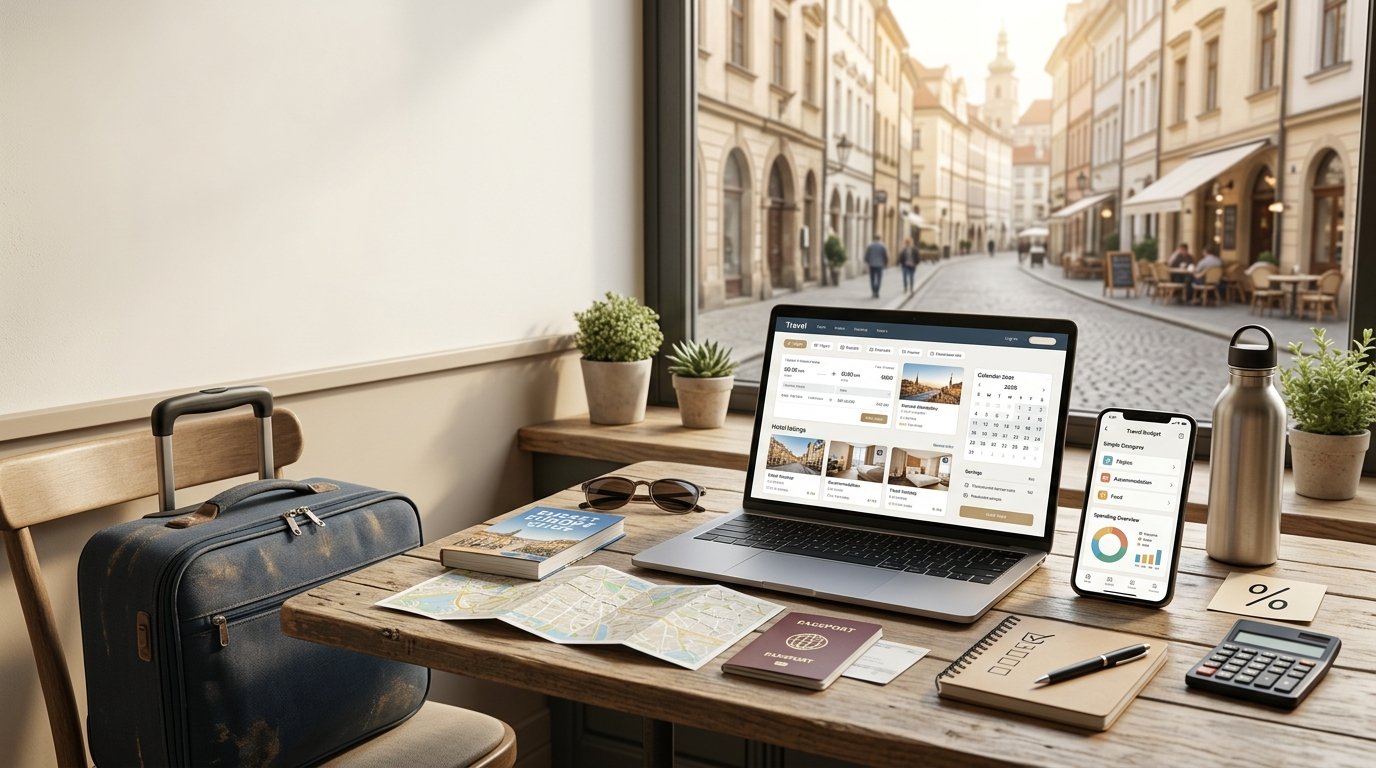
Traveling the world does not have to be expensive. With the right planning, smart booking strategies, and a few money-saving habits, you can enjoy memorable trips without spending more than your budget allows. Whether you are planning a weekend getaway, a family vacation, a solo adventure, or an international holiday, there are plenty of ways to reduce travel costs in 2026.
From finding affordable flights and budget-friendly accommodation to saving money on food, transportation, and activities, this guide will help you make the most of your travel budget. These practical tips can help you spend less on travel essentials while enjoying more experiences at your destination.
Plan Your Travel Budget Before Booking
One of the easiest ways to save money on travel is to set a realistic budget before making reservations. Decide how much you can comfortably spend on the entire trip and divide that amount into essential categories.
Your travel budget should include transportation, accommodation, meals, local travel, sightseeing, shopping, travel insurance, and emergency expenses. Setting limits for each category helps you avoid unnecessary spending and makes it easier to compare different travel options.
Budget planning tips:
- Set a maximum spending limit for your entire trip.
- Keep a separate amount for unexpected expenses.
- Compare the total cost of different destinations.
- Track your bookings and daily expenses.
- Avoid spending your entire budget before the trip begins.
A well-planned budget gives you more control over your money and helps you enjoy your vacation without financial stress.
Book Flights at the Right Time
Airfare can be one of the biggest expenses when traveling, especially for international trips. However, comparing prices and staying flexible with your travel dates can help you find better deals.
Use flight comparison websites to compare different airlines, departure times, and routes. Check the total ticket price instead of focusing only on the advertised fare, because baggage fees, seat selection, and other extras can increase the final cost.
Ways to save money on flights:
- Compare prices across multiple booking platforms.
- Check nearby airports when practical.
- Travel on flexible dates if your schedule allows.
- Set price alerts for your preferred route.
- Consider connecting flights when the savings justify the extra time.
- Review baggage rules before purchasing a ticket.
- Check the airline’s official website before booking.
There is no single booking day or advance-booking window that guarantees the lowest price for every route. Compare fares regularly and book when the overall price fits your budget.
Travel During the Off-Season
Traveling during the off-season or shoulder season can help you save on flights, hotels, and popular attractions. These periods generally fall outside major holidays, school vacations, and the busiest tourist months.
For example, visiting a beach destination just before or after its busiest season may offer lower accommodation prices and fewer crowds. Similarly, city breaks can be more affordable when major events and holidays are not taking place.
Before choosing off-season dates, check the destination’s weather, local holidays, transport schedules, and attraction opening hours. The cheapest period is not always the best choice if important activities are unavailable.
Why off-season travel can save money:
- Accommodation may cost less.
- Flights may have more competitive fares.
- Restaurants and attractions may be less crowded.
- You may have more flexibility when choosing where to stay.
- Popular destinations can feel more relaxed.
If your dates are flexible, compare prices across several weeks or months before deciding.
Find Affordable Accommodation
Accommodation can take up a large portion of your travel budget, but you do not always need an expensive hotel to enjoy a comfortable stay. Hostels, guesthouses, budget hotels, vacation rentals, and serviced apartments can offer alternatives for different travel styles.
Compare the full cost of each option, including taxes, cleaning charges, resort fees, and transportation from the property to the places you plan to visit.
Budget accommodation tips:
- Stay slightly outside expensive tourist centers if transport is convenient.
- Compare hotels, hostels, and guesthouses.
- Look for properties that include breakfast.
- Check cancellation policies before booking.
- Read recent reviews about cleanliness, safety, and location.
- Consider a kitchen if you plan to prepare some meals.
- Check whether public transportation is easily accessible.
A low nightly rate is not always the cheapest overall choice. A slightly more expensive property near public transport may save you money on daily travel.
Save Money on Food and Drinks
Eating out for every meal can quickly increase your travel expenses. You can still enjoy local food while keeping costs under control by mixing restaurant meals with affordable alternatives.
Visit local markets, bakeries, food courts, and casual restaurants to discover regional dishes at reasonable prices. If your accommodation has a kitchen, preparing breakfast or a few simple meals can reduce your daily spending.
Food-saving strategies:
- Eat where local residents commonly eat.
- Choose accommodation with breakfast when it offers good value.
- Carry a reusable water bottle where safe drinking water is available.
- Buy snacks and basic supplies from supermarkets.
- Set a daily food budget.
- Enjoy one special restaurant meal instead of eating at expensive venues every day.
Avoid choosing food solely because it is cheap. Check food hygiene, local recommendations, and safe drinking-water guidance, especially when traveling abroad.
Use Public Transportation
Taxis and private transfers can be convenient, but frequent rides may significantly increase your trip costs. Public transportation is often a more affordable way to explore a destination.
Research buses, trains, metro systems, airport shuttles, and local transport passes before you arrive. In walkable cities, staying near public transportation and exploring nearby attractions on foot can help you save even more.
Affordable transportation options include:
- Local buses and metro services.
- Trains for selected routes.
- Airport buses or shared shuttles.
- Walking for short distances.
- Bicycle rentals where safe and practical.
- Transport passes when they cost less than individual tickets.
Always compare the price and convenience of a transport pass with the journeys you actually expect to make. A pass is useful only if it provides better value for your itinerary.
Look for Free and Low-Cost Activities
You do not need to pay for every attraction to enjoy a destination. Many cities offer free museums on selected days, public parks, historic neighborhoods, walking routes, beaches, cultural events, and scenic viewpoints.
Research free activities before your trip and build an itinerary around experiences that interest you. You can then decide which paid attractions are worth including in your budget.
Free or affordable activities to consider:
- Public parks and gardens.
- Walking tours and historic districts.
- Beaches and public waterfronts.
- Free museum days or discounted entry periods.
- Local markets and cultural festivals.
- Public art, architecture, and scenic viewpoints.
- Hiking routes that do not require expensive guided tours.
Check official attraction websites for opening hours, ticket conditions, and advance reservation requirements. Some free attractions still require a timed-entry ticket.
Use Travel Deals, Coupons, and Discounts
Travel deals can reduce the cost of hotels, activities, rental cars, luggage, and other travel essentials. Before paying, check whether the provider offers a legitimate promotion, seasonal sale, member discount, or first-booking offer.
Websites such as instantdealsoffer.com can also be useful when looking for available coupons and promotional offers. Always review the offer details and test whether the code applies to your selected booking before relying on the advertised savings.
How to find useful travel discounts:
- Check official airline and hotel websites.
- Look for seasonal promotions.
- Compare member prices with publicly available rates.
- Check student, senior, or family discounts if eligible.
- Review cashback offers and card benefits.
- Search for attraction bundles when you plan to visit several included locations.
- Read coupon exclusions and expiration dates.
Remember that a discount is not automatically a good deal. Compare the final price, cancellation conditions, and additional charges before completing your purchase.
Avoid Hidden Travel Fees
Unexpected fees can turn an affordable trip into an expensive one. Before booking, review the complete price and identify any extra costs that might apply.
Airlines may charge for checked baggage, seat selection, or changes to a reservation. Accommodation providers may add local taxes, cleaning charges, deposits, or other fees. International travelers may also need to budget for visas, roaming, currency conversion, and travel insurance.
Check these costs before paying:
- Baggage allowances and extra luggage fees.
- Hotel taxes and additional service charges.
- Airport transfers and parking.
- Visa and entry requirements.
- Foreign transaction and ATM fees.
- Mobile data and roaming charges.
- Cancellation and modification penalties.
Reading the terms and conditions can help you understand the true cost of a booking and avoid surprises later.
Pack Smart to Avoid Extra Expenses
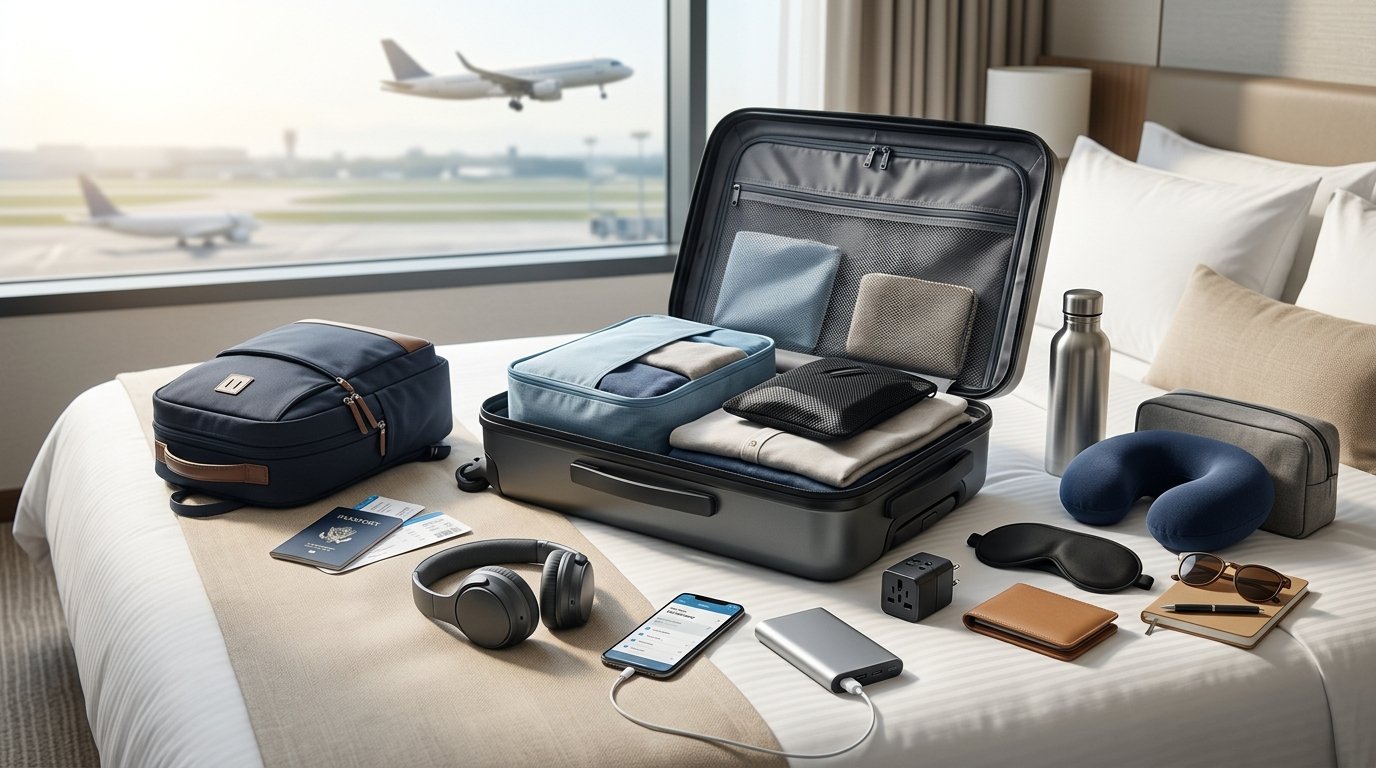
Packing efficiently can save both money and time. Overpacking may lead to baggage fees, while forgetting essential items can force you to purchase expensive replacements during your trip.
Create a packing list based on your destination, weather, planned activities, and airline baggage allowance. Choose versatile clothing that can be combined into multiple outfits, and carry essential travel items that you already own.
Smart packing tips:
- Check the weather forecast before departure.
- Review your airline’s cabin and checked-baggage rules.
- Pack reusable essentials where practical.
- Bring suitable chargers and necessary adapters.
- Keep important documents and booking details accessible.
- Avoid buying new travel accessories unless you genuinely need them.
Travel light whenever possible, but do not compromise on essential medication, safety items, or documents.
Choose a Destination That Fits Your Budget
Some destinations are naturally more affordable than others because of lower accommodation costs, inexpensive public transportation, and reasonably priced food and activities.
Instead of choosing a destination based only on its popularity, estimate the total cost of visiting it. Include flights, accommodation, meals, transport, activities, and any required travel documents.
| Travel expense | What to compare |
|---|---|
| Flights | Different dates, airlines, and routes |
| Accommodation | Hotels, guesthouses, hostels, and rentals |
| Food | Restaurant meals, local markets, and groceries |
| Transport | Public transit, walking, and transfers |
| Activities | Free attractions, individual tickets, and bundles |
| Extra costs | Visas, insurance, baggage, and fees |
A destination with a slightly more expensive flight may still be cheaper overall if accommodation and everyday expenses cost less.
Protect Your Money While Traveling
Saving money also means protecting yourself from avoidable losses. Keep copies of important travel documents, use secure payment methods, and be cautious of offers that seem unusually cheap.
Travel insurance may be valuable for trips involving expensive bookings, international medical costs, or activities with specific risks. Compare coverage, exclusions, and claim requirements before purchasing a policy.
Money safety tips:
- Keep emergency funds separate from everyday spending money.
- Use trusted booking platforms and verify the provider.
- Avoid sending money to unknown sellers through irreversible payment methods.
- Monitor bank transactions while traveling.
- Check foreign exchange rates and fees before exchanging currency.
- Keep digital and physical copies of essential documents in separate secure locations.
A little preparation can help prevent costly problems and give you greater peace of mind.
Sample Budget for a 3-Day Trip
The following example shows how to organize a budget for one traveler. These are illustrative amounts in US dollars, not current quotes; actual costs depend on the destination, dates, and travel style.
| Expense | Example budget |
|---|---|
| Transportation | $100 |
| Accommodation for 2 nights | $100 |
| Food and drinks | $60 |
| Local transportation | $25 |
| Activities and sightseeing | $30 |
| Emergency allowance | $35 |
| Total estimated budget | $350 |
To adapt this budget, replace each example amount with prices for your chosen destination. If transportation is expensive, consider a closer destination or a longer stay that makes better use of the initial travel cost. If accommodation is costly, compare different neighborhoods or travel dates.
Frequently Asked Questions (FAQs)
How can I travel on a budget in 2026?
Start by setting a realistic budget, comparing transportation and accommodation prices, traveling on flexible dates, and choosing affordable food and activities. Use legitimate discounts when available and keep an emergency allowance for unexpected expenses.
What is the cheapest way to book a flight?
Compare fares across multiple airlines and booking platforms, check flexible dates, and review nearby airports when practical. Consider baggage charges and other extras before choosing the lowest advertised fare.
Is traveling during the off-season cheaper?
It often can be. Flights, accommodation, and attractions may cost less outside peak periods, although savings vary by destination. Check weather conditions and attraction schedules before booking.
How can I save money on hotels?
Compare several accommodation types, check the total price after taxes and fees, and consider properties near public transportation. Look for breakfast or kitchen facilities if they offer genuine savings.
How can I save money on food while traveling?
Try local restaurants, markets, bakeries, and supermarkets. Choose accommodation with breakfast or cooking facilities when practical, and set a daily food budget so you can still enjoy occasional special meals.
Are travel coupon codes worth using?
They can be helpful when valid for your booking. Check expiration dates, exclusions, minimum-spend requirements, and the final price. Compare the discounted rate with other offers before paying.
Should I buy a city transport pass?
A transport pass may be worthwhile if you plan to make enough eligible journeys to justify its cost. Compare the pass price with individual fares and confirm which routes and services are included.
How much money should I keep for emergencies?
There is no universal amount because costs and travel risks differ. Include a separate emergency allowance based on your destination, trip length, and financial circumstances, and make sure you can access additional funds if necessary.
Conclusion
Traveling on a budget in 2026 is possible with thoughtful planning and smart spending decisions. By comparing flights, choosing affordable accommodation, traveling during less busy periods, using public transportation, and enjoying free activities, you can reduce your expenses without missing out on memorable experiences.
Before booking, calculate the full cost of your trip, check for legitimate discounts, and review the conditions attached to every reservation. Most importantly, focus on value rather than the lowest price alone. With these budget travel tips, you can make your money go further and enjoy more of what your destination has to offer.
For more money-saving ideas, travel deals, and promotional offers, visit instantdealsoffer.com and plan your next trip with your budget in mind.